More Than Tracking: How Exercise Apps Helped Me Fall in Love with Movement
You know that feeling when you start something new—full of energy—and then, by week three, it fizzles out? I’ve been there too. But last year, I stopped chasing motivation and started using simple tools that quietly changed everything. Not because they’re flashy, but because they listen. They remember my pace, celebrate small wins, and gently pull me back when life gets busy. This isn’t about fitness stats—it’s about how a little digital nudge helped me build a joyful habit that stuck. It wasn’t overnight, and it wasn’t perfect. But slowly, something shifted. I wasn’t just moving more—I was feeling more alive, more present, more like me.
The Hobby That Kept Failing—Until I Gave It a Digital Home
I used to treat exercise like a chore, the same way I’d tackle laundry or grocery shopping—something to get done, not enjoyed. Every few months, I’d fire up my running shoes with big intentions. “This time,” I’d tell myself, “I’m going to stick with it.” But by the second or third week, life would get in the way. A sick kid, a work deadline, or just plain tiredness would knock me off track. And once I missed a day, it felt easier to skip the next one, and the next. The dream would fade, and I’d tell myself I’d try again “next month.” Sound familiar?
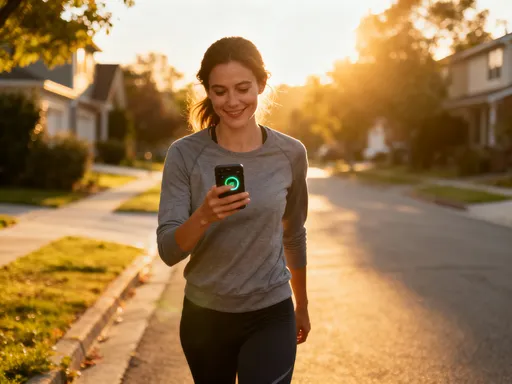
Then, last year, I downloaded a simple walking app—not because I was aiming for greatness, but because a friend mentioned she liked logging her daily strolls. I thought, Why not? I walk the dog anyway. So I started tapping in my steps each evening. Nothing fancy. But within a week, I noticed a little row of green dots on my screen—each one a day I’d walked. And something surprising happened: I didn’t want to break the streak. It wasn’t about distance or speed. It was about showing up, consistently. That tiny visual reward—just a dot—made me feel like I was building something.
The app didn’t demand anything of me. It didn’t yell at me for skipping or shame me for slow progress. Instead, it quietly celebrated my effort. And over time, that consistency began to change how I saw movement. It wasn’t about punishing myself to look a certain way. It was about showing kindness to my body, one small step at a time. The app became less like a taskmaster and more like a gentle companion, walking beside me—sometimes literally—reminding me that progress isn’t loud or dramatic. It’s quiet. It’s steady. And it’s real.
From Numbers to Narrative: How Recording Turned Routine into Story
At first, I was all about the numbers. Steps. Minutes. Distance. I’d glance at my phone after a walk and think, Only 3,000 steps? That’s not enough. I was still caught in the trap of performance—measuring myself against invisible standards. But then I discovered a feature in my app that changed everything: the ability to add notes. Just a little box where I could type a few words about how I felt, what I saw, or what song kept me going.
One rainy Tuesday, I wrote: Walked 20 minutes. Felt sluggish at first, but the fresh air helped. Heard a cardinal singing. Felt lighter afterward. And something shifted. My log wasn’t just data anymore. It was a story—my story. I started noticing patterns. On days when I felt anxious, a short walk almost always helped. When I was tired, even five minutes outside made a difference. And on days when I didn’t feel like moving at all, reading a past note—like “So glad I went. My mind feels clearer”—gave me the little push I needed.
This emotional layer transformed how I thought about exercise. It wasn’t about hitting a number or burning calories. It was about tuning in. The app became a safe space to record not just what I did, but how I felt. There was no judgment, no scorecard. Just a quiet witness to my journey. And that made all the difference. I didn’t need to be perfect. I just needed to show up. Some days were strong. Some days were slow. But every entry—good, bad, or in between—was part of a larger, unfolding story of self-care.
Skill Building Without Pressure: The Gentle Nudge That Replaces Guilt
I used to carry so much guilt around exercise. If I missed a day, I’d tell myself I’d failed. If I didn’t push hard enough, I’d feel like I wasn’t doing it “right.” That pressure made it harder to start, not easier. But the apps I started using didn’t operate that way. They didn’t scold me. They didn’t send angry notifications. Instead, they offered gentle reminders—like a friend checking in.
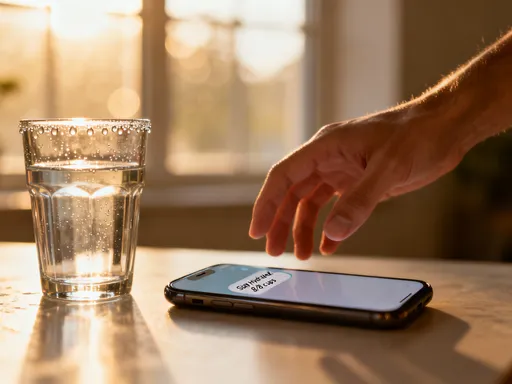
One morning, after skipping my usual walk, I got a message that said, “We miss you. How about a 10-minute stretch today?” No judgment. No guilt. Just an invitation. And that small kindness changed everything. I realized I didn’t have to do it all at once. I didn’t have to be intense. I could start small, and that was enough. Over time, I began to pick up little skills—better posture, deeper breathing, more fluid movements—all without pressure.
The app offered short video guides for things like stretching or balance exercises. I’d do them in my living room while the coffee brewed. No mirror, no outfit, no pressure. Just me, learning at my own pace. And because there was no expectation to “perform,” I actually enjoyed it. My form improved. My endurance grew. I even started trying new things—like yoga flows or dance videos—because the app made it feel safe to explore. It wasn’t about proving anything. It was about growing, gently, in my own time.
Making It Mine: Personalizing the Experience for Lasting Joy
One of the biggest surprises was how much joy I found in customizing my app. At first, I used it as it came—default settings, standard goals, generic notifications. But after a few weeks, I started playing with the settings. I changed the alert tone to a cheerful chime. I picked a friendly voice for encouragement—someone who sounded like a warm, supportive aunt. I even set playful weekly goals, like “Walk in the rain once” or “Dance while making dinner three times.”
These small changes made a big difference. Suddenly, the app didn’t feel like a one-size-fits-all tool. It felt like mine. It reflected my personality, my pace, my sense of humor. I started looking forward to the little celebrations—the “Great job!” message, the animated confetti after a streak, the weekly summary that highlighted my most peaceful walks. These weren’t just features. They were moments of connection.
When technology feels personal, it’s easier to invite it into your daily rhythm. It stops being a chore and starts feeling like a companion. I didn’t have to force myself to use it. I wanted to. And that shift—from obligation to enjoyment—was the key to making the habit stick. The app wasn’t just tracking my movement. It was reflecting my values: kindness, consistency, and a little bit of fun.
Connecting Beyond the Screen: Shared Journeys with Friends and Family
I’ll admit, I didn’t think I’d want to share my walking habit. I saw it as something private, just for me. But then I invited my sister to join a friendly step challenge through the app. We set a low bar—just 7,000 steps a day, five days a week—and agreed to send each other silly photos if we hit our goal. The first week, I sent her a picture of my dog wearing my fitness tracker like a collar. She replied with a selfie of her doing a victory dance in her robe.
What started as a small challenge turned into something meaningful. We began texting every evening, checking in not just about steps, but about our days. “Walked 8,000 steps,” I’d write. “Also, had a tough meeting, but the walk helped.” She’d reply, “So proud of you. I did 10 minutes of stretching—felt amazing.” It wasn’t about competition. It was about connection. We were showing up for each other, not just for the app.
Even my teenager started joining me on walks. Not because I pressured her, but because she saw how much I enjoyed it. “Can I come with you?” she’d ask. “I need to clear my head.” We’d walk around the neighborhood, talking about school, friends, or nothing at all. Those quiet moments—just us, moving together—became some of my most treasured. The app didn’t create those connections, but it helped open the door. Technology, when used with heart, doesn’t replace real life. It can actually deepen it.
Beyond the Workout: How Tracking Sparked a Fuller, Calmer Life
The most unexpected part? The benefits spilled far beyond my daily walks. I started sleeping better. Not perfectly, but noticeably. I’d fall asleep faster and wake up feeling more rested. My anxiety, which used to spike in the late afternoon, began to ease. I didn’t eliminate stress—life still happens—but I had a tool to manage it. A 15-minute walk became my reset button.
I had more energy, too—not the frantic kind, but a steady, quiet energy. I found myself wanting to cook more, to read before bed, to play with my dog in the backyard. I wasn’t just “fitting in” movement. I was building a life that felt better. And the app played a quiet but powerful role in that. It helped me show up for myself, day after day, in a small but meaningful way. That consistency created a ripple effect. When I took care of myself, I had more to give to others.
I also became more aware of my body—not in a critical way, but with curiosity and care. I noticed how food affected my energy. How rest made a difference. How movement helped me process emotions. The app didn’t give me all the answers, but it gave me the space to pay attention. And that awareness became its own kind of healing. I wasn’t trying to change who I was. I was learning to live more fully as myself.
The Real Win: Building a Habit That Feels Like Freedom, Not Work
Today, I don’t rely on motivation. I rely on rhythm. A small, supported practice that fits into my life, not the other way around. Some days I walk five minutes. Some days I dance in the kitchen. Some days I just stretch on the floor while watching TV. And that’s enough. The app didn’t make me “fit” in the way magazines define it. It helped me fall in love with moving—gently, joyfully, at my own pace.
That’s the real magic of these tools. They don’t push you to do more, harder, faster. They help you stay tenderly connected to yourself. They celebrate small wins. They hold space for off days. They remind you that showing up—even in a tiny way—matters. And over time, that adds up to something powerful: a habit that feels like freedom, not work.
If you’ve ever started and stopped, if you’ve ever felt guilty for not doing enough, I want you to know—you’re not alone. And you don’t need a dramatic overhaul. You just need a small, kind tool to help you begin. Maybe it’s an app. Maybe it’s a journal. Maybe it’s a friend who walks with you. But whatever it is, let it be gentle. Let it be yours. Because the goal isn’t perfection. It’s presence. It’s peace. It’s the quiet joy of moving through life—literally and figuratively—with a little more ease, a little more grace, and a lot more love for yourself.